
State-by-state legalization was often sold as a direct hit to illegal cultivation and smuggling: bring cannabis into a regulated system, and the underground market withers. The reality has been more mixed—and more revealing about how illicit markets adapt.
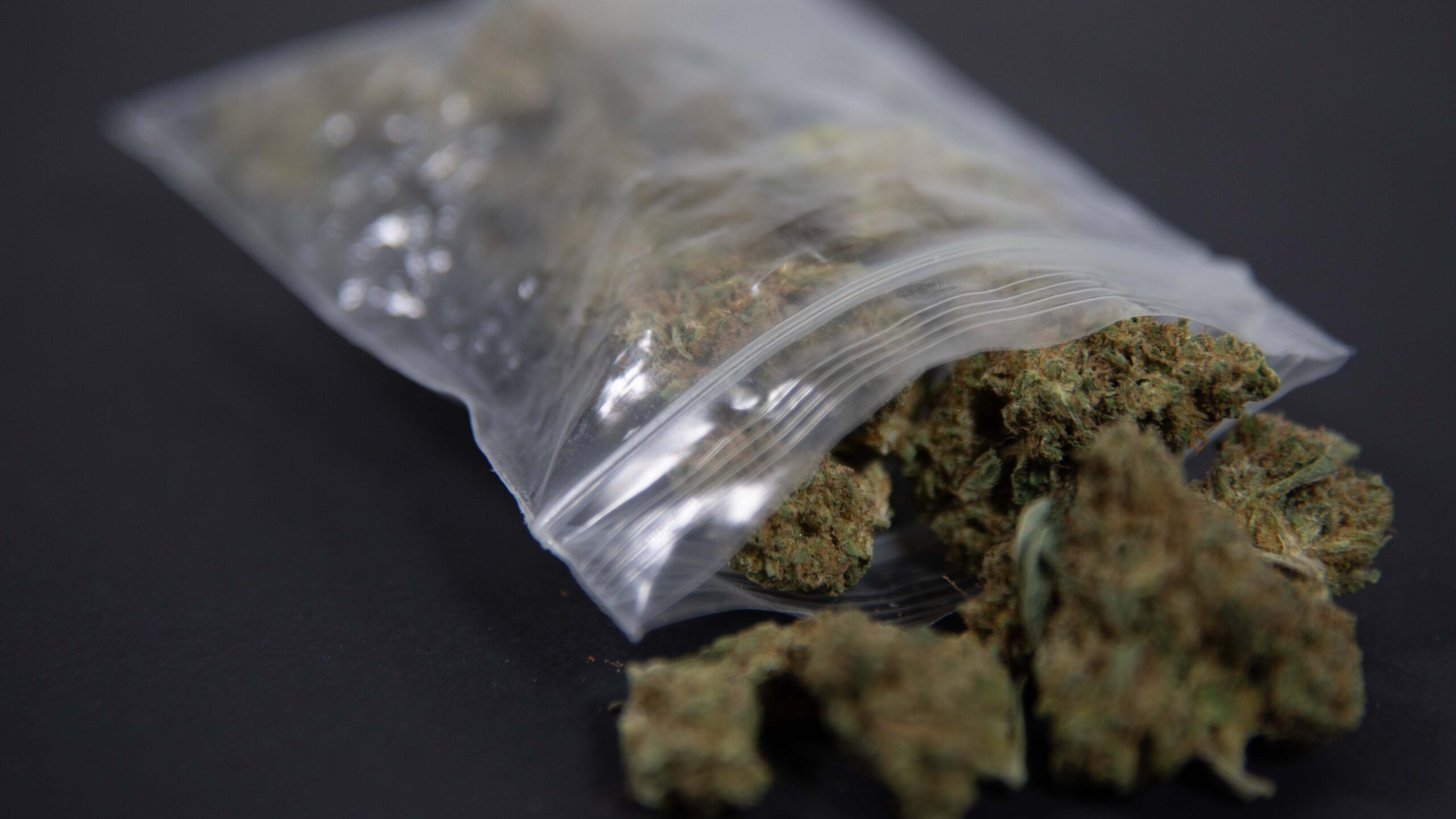
On one side of the ledger, legalization appears to have reduced some forms of import-driven illicit supply, particularly lower-cost marijuana historically trafficked across the Southwest border. As U.S. legal markets expanded, demand shifted away from some illegally imported product, undercutting certain smuggling incentives. That’s a meaningful change: when consumers can buy a tested, labeled product from a storefront, the appeal of an unknown supply chain can drop—especially in places where legal access is convenient and prices are competitive.
But legalization has not reliably eliminated illegal grows—nor has it fully stopped illicit “imports” in the broader sense of cannabis flowing across jurisdictions. Federal prohibition still blocks legal interstate commerce, which means each state must rely on in-state production. That structure creates predictable imbalances: oversupply in some states, scarcity in others, and ongoing incentives for diversion into illegal channels.
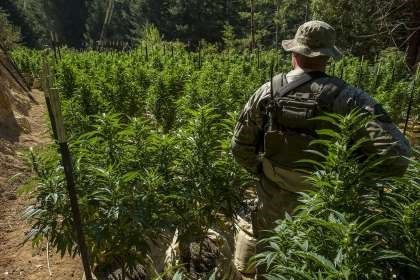
Federal enforcement assessments have repeatedly highlighted that cannabis produced in states with legal cultivation can end up supplying illicit markets elsewhere. Domestic cultivation and distribution networks—including activity tied to transnational criminal organizations—have been documented operating heavily in states where cannabis is legal at the state level. In other words, legalization can reduce one stream of illicit supply while leaving room for another: illegal cultivation that piggybacks on legal-state infrastructure, geography, and consumer demand.
California has become the most cited case study in this tension. State-commissioned market analysis has suggested that a large share of cannabis consumed in California still comes from the unregulated market, even as licensed production grows. California’s own enforcement announcements underscore the scale of the problem, with state authorities reporting hundreds of millions of dollars in illegal cannabis seized in a single year.
Why does the illicit market persist after legalization? Research and reporting point to a few recurring drivers: price differentials driven by taxes and compliance costs, uneven retail access including local bans on storefronts, and the friction of licensing and regulation that can keep legacy operators outside the legal system. Academic research has also found that in some legalized states, illegal-market activity remains sizable rather than disappearing automatically.
The takeaway is less headline-friendly than “legalization ends the black market,” but more useful. Legalization can reduce certain illegal supply routes—especially imported product—yet it does not, by itself, erase illicit cultivation and diversion. The states that have made the biggest dents tend to pair legalization with practical access, competitive pricing, realistic pathways into licensure, and targeted enforcement focused on large-scale illegal grows rather than small personal-use activity.