
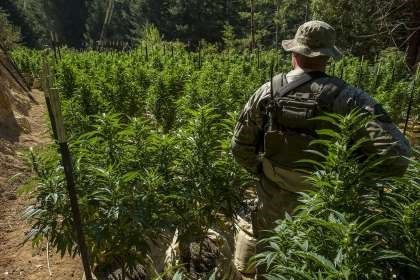
Former military operators are increasingly playing influential roles in the cannabis industry, bringing with them a depth of leadership experience forged in high-pressure, highly regulated environments. As the sector matures and faces complex challenges—ranging from compliance and logistics to workforce development—companies are turning to veterans whose backgrounds emphasize discipline, accountability, and mission-driven execution.
One of the most significant impacts former operators are making is in executive and senior management roles. Special operations veterans are trained to lead diverse teams, manage risk, and execute complex missions under tight timelines. These skills translate directly to cannabis businesses navigating fragmented state regulations, demanding supply chains, and intense competition. Veteran leaders are often tasked with building operational frameworks that prioritize compliance, safety, and repeatable processes—areas where early cannabis companies historically struggled.
Compliance, in particular, has become a natural fit for veterans. Military operators are accustomed to working within strict rules of engagement, documentation requirements, and chain-of-command structures. In cannabis, where failure to follow state regulations can result in license suspension or loss, veteran leaders help instill a culture where standard operating procedures are followed rigorously. Their approach often emphasizes checklists, audits, and continuous improvement, helping organizations reduce regulatory risk while scaling operations.
Training and workforce development is another area where former military professionals are making a lasting impact. Many veterans now lead internal training programs, consulting firms, or operational teams focused on standardizing education across cultivation, manufacturing, distribution, and retail. Drawing from military training doctrine, they introduce structured onboarding, clear performance metrics, and leadership development pathways. This professionalization helps cannabis companies reduce turnover, improve safety, and create clearer career advancement opportunities for employees.
Security and logistics also benefit from military expertise. Operators with backgrounds in intelligence, logistics, or force protection often oversee transportation, inventory control, and facility security. Their experience planning secure movements, assessing threats, and managing assets under regulatory oversight strengthens cannabis supply chains that must prevent diversion and ensure product integrity from seed to sale.
Beyond operations, former military leaders are influencing company culture. Many emphasize servant leadership, teamwork, and accountability—values deeply ingrained in military units. This cultural shift can be especially important in cannabis organizations transitioning from startup environments to more mature enterprises. Veteran leaders often stress clear communication, ethical decision-making, and responsibility to both employees and communities, aligning with the industry’s increasing focus on legitimacy and long-term sustainability.
Importantly, many veterans also see their work in cannabis as a continuation of service. Some are motivated by personal experiences with plant-based wellness, while others are driven by a desire to build responsible businesses that provide jobs and contribute to local economies. Through leadership roles, advisory positions, and training initiatives, they help guide cannabis away from informal practices and toward professional standards comparable to other regulated industries.
As legalization expands and the cannabis sector continues to evolve, the influence of former military operators is likely to grow. Their ability to lead under pressure, train diverse teams, and operate within complex regulatory systems positions them as valuable architects of an industry striving for credibility, consistency, and sustainable growth.