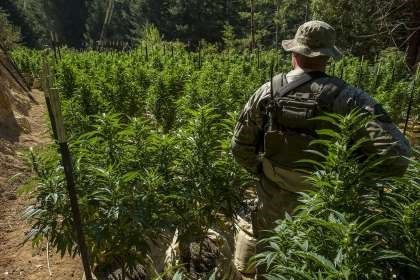
For decades, U.S. military veterans were taught to view cannabis through the lens of zero-tolerance policies and strict discipline. Today, a growing number of former service members are challenging that narrative, becoming some of the most credible and persistent advocates for marijuana reform and education in the United States. Their activism is shaped not by ideology, but by lived experience—combat stress, chronic pain, traumatic brain injury, and the long, often frustrating journey through conventional treatment options.
Many veteran advocates point to gaps in traditional care as the catalyst for their involvement. Prescription opioids, sleep aids, and antidepressants have long been the default tools for managing service-related injuries and trauma. While effective for some, these medications have also contributed to dependency issues, side effects, and, in the worst cases, overdose. Veterans who found relief through cannabis often describe it as a harm-reduction alternative that allowed them to function, sleep, and reconnect with their families without feeling sedated or disconnected.
Veteran-led organizations have played a central role in reframing the conversation. Groups such as Veterans for Medical Cannabis Access (VMCA), Weed for Warriors Project, and similar grassroots coalitions have focused on peer-to-peer education, policy engagement, and stigma reduction. Their messaging is deliberate and disciplined, reflecting military culture: cannabis is not promoted as a cure-all, but as a tool that deserves scientific evaluation, responsible regulation, and patient choice.
Former special operations personnel have been particularly influential voices in this movement. Their credibility within military and civilian communities alike has helped dismantle outdated stereotypes about cannabis users. When decorated veterans speak publicly about using cannabis to manage PTSD or chronic pain, it forces policymakers and the public to confront the disconnect between federal law and real-world outcomes. These advocates often emphasize that reform is not about encouraging use among active-duty troops, but about respecting veterans’ autonomy once their service is complete.
Education is another cornerstone of veteran-driven reform efforts. Activists routinely stress the importance of dosage awareness, product testing, and understanding the differences between THC-dominant, CBD-dominant, and balanced formulations. By promoting informed use, veteran advocates counter fears that legalization equates to recklessness. Many work closely with clinicians, researchers, and lawmakers to support expanded clinical trials and improved data collection, particularly within veteran populations.
Learn More: Creating Change Through Cannabis and Charitable Collaboration
Policy advocacy remains a key focus. Veterans have testified before state legislatures, engaged with members of Congress, and supported efforts to expand Department of Veterans Affairs research into medical cannabis. While the VA still cannot recommend or prescribe cannabis due to federal restrictions, veteran activists argue that denying research and open discussion only perpetuates uncertainty and misinformation. Their push is pragmatic: evidence-based policy grounded in science, not stigma.
Ultimately, military veteran activists are pushing marijuana reform because they believe it aligns with the values they served under—duty, responsibility, and care for those who wore the uniform. By advocating for education, access, and honest research, they are not seeking special treatment, but equitable treatment. Their leadership continues to shape a national conversation that increasingly recognizes cannabis not as a cultural wedge, but as a legitimate public health and policy issue worthy of serious consideration.
Read More: Operational Excellence: Why Cannabis Companies Are Turning to Veteran Leaders