
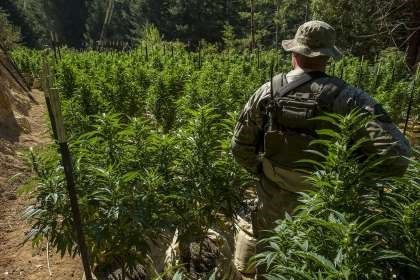
As the national conversation around cannabis reform continues to evolve, one of the most closely watched questions involves how federal legalization could impact U.S. military personnel and veterans. While marijuana remains illegal under federal law, shifting public opinion, expanding state programs, and ongoing research have pushed policymakers to reconsider how cannabis fits into veteran health care and active-duty support systems.
At present, cannabis occupies a complicated position within the Department of Veterans Affairs (VA). Veterans enrolled in VA health care are not denied benefits for using marijuana in states where it is legal, but VA physicians are prohibited from prescribing or formally recommending cannabis due to its federal status. This restriction limits the VA’s ability to fully integrate cannabis into treatment plans, even as many veterans report using it to manage chronic pain, post-traumatic stress disorder (PTSD), sleep disturbances, and anxiety.
Federal legalization could significantly alter this landscape. Removing cannabis from Schedule I of the Controlled Substances Act would open the door for expanded clinical research, standardized dosing guidelines, and evidence-based treatment protocols. For the VA, this could mean the ability to fund large-scale studies, issue formal clinical guidance, and potentially allow VA providers to discuss cannabis more openly as part of comprehensive care plans. Such changes would not automatically make cannabis a first-line treatment, but they would give clinicians additional tools to personalize care.
For veterans, legalization could also reduce administrative and legal barriers. Many veterans currently rely on state medical marijuana programs, paying out-of-pocket for products that are not covered by VA benefits. Federal reform could eventually allow cannabis-derived medications or formulations to be evaluated for coverage, similar to other federally approved therapies. While this process would likely be gradual, legalization would be a necessary first step toward equitable access.
The implications for active-duty service members are more complex. Even if cannabis were legalized federally, the Department of Defense (DoD) would likely retain strict prohibitions on use while in uniform or on active duty, citing readiness, safety, and operational performance. However, legalization could still have indirect benefits. It would enable expanded research into non-intoxicating cannabinoids, alternative pain management strategies, and harm-reduction approaches that might influence future military health policies.
Additionally, federal legalization could reduce stigma. Many service members and veterans report hesitancy to discuss cannabis use with medical providers due to fear of judgment or career repercussions. Clear federal policy, coupled with updated education, could encourage more honest conversations about substance use, mental health, and wellness—ultimately improving outcomes.
Critics caution that legalization alone will not solve systemic issues within military and veteran health care. Access to care, mental health staffing shortages, and long-standing bureaucratic challenges remain pressing concerns. Still, advocates argue that cannabis reform represents a meaningful opportunity to modernize policy in line with scientific evidence and lived experience.
In the broader context, federal legalization would not be a cure-all, but it could serve as a catalyst. By aligning federal law with state practices and emerging research, policymakers could create a more flexible framework—one that supports veterans’ health needs while maintaining clear standards for active-duty service.
Learn More: Leading Nonprofits Helping Veterans and Military Families