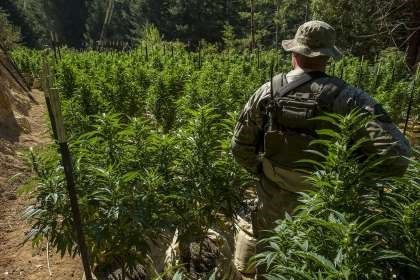
Military veterans living with post-traumatic stress disorder often describe recovery as a long campaign fought on multiple fronts: sleep, anxiety, irritability, chronic pain, and the strain that trauma can place on family life. In that day-to-day reality, many veterans report using cannabis as a form of self-directed symptom management—especially in states where medical programs are accessible—seeking relief that feels more immediate than traditional treatments.
For some, the “why” starts with sleep. PTSD is tightly linked to insomnia and nightmares, and veterans commonly say cannabis helps them fall asleep faster or reduces nighttime arousal. Others cite help with hypervigilance, intrusive thoughts, and the edge-of-the-seat stress response that can make ordinary places feel unsafe. Cannabis can also be appealing because it may seem like a single tool for multiple complaints—sleep, mood, appetite, and pain—rather than another round of medications.
The research picture, however, is more complicated than the personal stories. The first randomized, placebo-controlled trial of smoked cannabis for PTSD in veterans found that PTSD symptoms improved across all groups—including placebo—during a short treatment window, and no active cannabis product clearly outperformed placebo in that brief, preliminary study. Meanwhile, major evidence reviews have repeatedly emphasized that for many mental health outcomes, the science is still limited or insufficient to draw firm conclusions about cannabis as a treatment.
That gap between lived experience and clinical certainty is where many of the challenges show up.
One major hurdle is the federal-state mismatch. The Department of Veterans Affairs must follow federal law, which means VA clinicians generally cannot recommend cannabis or help veterans obtain it, even if a veteran lives in a state with legal medical marijuana. The VA also does not pay for cannabis products. This can push veterans into a fragmented system: therapy and prescriptions in one lane, cannabis use in another, with patients often left to connect the dots themselves.
Another challenge is risk management. Cannabis may provide short-term calm for some people, but heavier or prolonged use can increase the likelihood of cannabis use disorder—an issue the VA explicitly screens for and treats. Product strength and labeling vary by market, and “dialing in” dose, timing, and method (inhaled vs. edible) can be difficult—especially for veterans trying to control anxiety without feeling impaired.
Finally, there’s culture. Some veterans still worry about stigma, career consequences, custody disputes, or drug testing tied to work—concerns that can discourage honest conversations with clinicians. In practice, the safest path many clinicians recommend is transparency: veterans should tell their healthcare team what they’re using so providers can watch for side effects, interactions, and changes in sleep, mood, and functioning—while still pursuing evidence-based PTSD therapies as the foundation of recovery.
Read More: Could Cannabis Reform Expand Support for Veterans and Service Members?